
Bridging the Gap: Why Specialized Rehab is the Missing Link Between Surgery and Going Home
April 14, 2026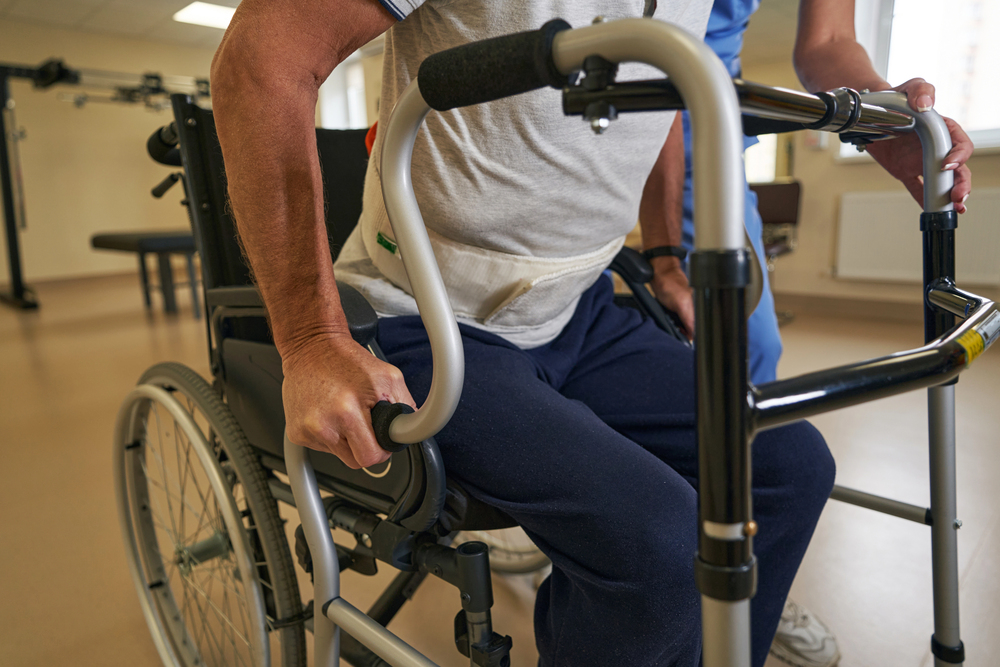
A stroke changes everything in an instant. One moment, life feels routine, and the next, you or someone you love is facing a recovery that seems impossible to picture. The good news is that recovery is possible, and the path forward starts with two things: knowing how to spot a stroke fast, and finding rehabilitation that actually prepares you for real life.
May is National Stroke Awareness Month, and at Maplewood Sauk Prairie Health & Rehabilitation Center, we want every family in our community to feel ready, both to act in an emergency and to begin the road to recovery with confidence.
Knowing the Signs Could Save a Life
Speed matters more than almost anything else when a stroke happens. Brain cells start to die within minutes of losing blood flow, which is why the medical community uses the simple acronym B.E. F.A.S.T. to help people remember the warning signs.
B – Balance: Sudden loss of balance or coordination.
E – Eyes: Sudden vision changes or double vision.
F – Face: One side of the face droops or feels numb.
A – Arm: Sudden weakness or numbness in one arm.
S – Speech: Slurred speech or difficulty speaking.
T – Time: Time to call 911. Every minute counts.
If you notice any of these signs in yourself or someone nearby, do not wait to see if it passes. Call 911 immediately. According to the American Stroke Association, faster treatment leads to better outcomes, and every minute of delay can cost brain function that may not return.
Why the First Days After a Stroke Are So Critical
Most people are surprised to learn how quickly the body changes after a stroke. Muscles can begin to atrophy, meaning they shrink and weaken, in as little as two days of inactivity. Think of it like a garden hose that gets kinked. Water still wants to flow, but the path is blocked, and the longer it stays that way, the harder it is to get things moving again.
This is why early, structured rehabilitation matters so much. The window right after a stroke is when the brain is most ready to rewire itself and reclaim lost function. At Maplewood Sauk Prairie, our team gets patients up, moving, and engaged as soon as it is safely possible.
A Recovery Team Built Around You
True stroke recovery is rarely about one therapy or one tool. It takes a coordinated team working together on every part of getting your life back. At Maplewood, that team includes physical, occupational, and speech therapists who specialize in helping stroke patients regain strength, independence, and communication.
Physical therapy focuses on movement, balance, and walking. Occupational therapy helps with everyday tasks like getting dressed, cooking, or writing. Speech therapy supports patients working to regain clear speech or relearn how to swallow safely. When these disciplines work together, the progress can be remarkable.
We also offer specialized treatments such as electrical stimulation therapy, often called E-Stim. It is a drug-free option that uses gentle electrical pulses to help manage pain, improve circulation, and reactivate weakened muscles.
Specialized Equipment That Keeps You Active
Maplewood owns specialized mobility equipment that allows our team to safely support patients who are still regaining strength. This means even patients who cannot stand on their own can begin practicing walking motions, with the safety of a harness and the guidance of trained therapists.
The reason this matters is simple. The longer a person stays in bed, the harder it becomes to get out. By keeping patients upright and active early, we help prevent the secondary problems that often follow a stroke, like pressure injuries, blood clots, and the loss of confidence that comes from feeling stuck.
Practicing for Real Life, Not Just the Hospital Hallway
Here is something that sets Maplewood apart. Most rehab settings prepare patients for flat, indoor surfaces, which is fine until they go home and face a front step, a gravel driveway, or a sloped sidewalk.
Real life is not flat. So our rehabilitation program is not flat either.
Our indoor and outdoor gyms include the actual environments you will face when you return home. That means grass, gravel, inclines, curbs, and uneven ground. Practicing on these surfaces during recovery builds the kind of physical confidence that makes a real difference once you return to your own driveway, your own backyard, and your own community.
A patient who has only practiced in a hospital hallway may freeze at their first curb. A patient who has practiced on real terrain steps off it without thinking. That is the difference we work toward every day.
Recovery Is About Confidence, Not Just Strength
Stroke recovery is physical, but it is also deeply emotional. Many patients arrive at Maplewood feeling shaken, unsure of what their bodies can still do, and worried about being a burden. A big part of our job is helping rebuild not just muscle, but belief.
Small wins matter. Standing ten seconds longer than yesterday. Buttoning a shirt without help. Saying a full sentence clearly. These moments add up, and our team celebrates them with our patients because we know what they really represent: the steady return of independence.
Our mission is simple. We want to get you stronger, restore your confidence, and get you back home. We also work closely with families throughout the process, helping them understand what their loved one is working on and how to support their loved one’s progress at home.
Take the Next Step With Maplewood Sauk Prairie
If you or someone you love is facing stroke recovery, you do not have to figure it out alone. Our team in Sauk City is ready to answer your questions and walk you through what rehabilitation looks like.
Contact Maplewood Sauk Prairie today to learn more about our stroke recovery rehabilitation services. Call (608) 643-3383 or visit MaplewoodSaukPrairie.com.
