


Balance, Pain, and Posture: The Overlooked Trio That Affects Senior Wellbeing
September 10, 2025
How Music Sparks Joy and Memories for Residents at Maplewood Sauk Prairie
November 13, 2025
Watching someone you care about deal with dementia and memory loss can feel hard. Dementia is a word used when people lose some thinking skills. It can get in the way of daily life and what they do every day. Talking with them may become tough, and sometimes you feel like you do not connect as well.
But, there is a good and easy tool that can help: music. The tunes and words from their past can help them unlock old memories and feelings. It can bring comfort and reunite people. This is the power of music therapy.
The Power of Music Therapy in Dementia Care
Music therapy is not only about playing songs in the background. It is a proven way to use music as part of a set plan to help meet the needs of each person. For patients with dementia, the therapy can make a significant difference. Music helps reach areas of the brain that may not respond to talking or other ways of communication. This kind of therapy can help lower stress, boost good moments with others, and improve how dementia patients think and feel. It also supports better cognitive function.
This one-of-a-kind therapy uses music to find memories that feel lost or not noticed. Let us talk about how music helps do this, what makes it good for people, and how it stacks up to other creative therapies.
How Music Stimulates Memory and Emotion
Have you ever listened to a song and right away found yourself thinking about a certain time in your life? This can happen because musical memory often stays with us, even if other memories start to fade. There are many regions in the brain. Dementia comes when brain cells and their connections get damaged.
The areas of the brain that handle musical memory often stay healthy, even when someone has early or middle-stage Alzheimer’s disease. When he or she listens to a tune that they know, these areas of the brain get active. This helps them remember feelings and things that go with the song.
This connection is very strong and touches deep feelings. Music can get past the problems of cognitive decline that make talking hard. It can speak right to someone’s heart. This is a way to reach the person beyond the dementia symptoms, when clear thoughts and happiness are present.
Benefits of Music Therapy for People with Dementia
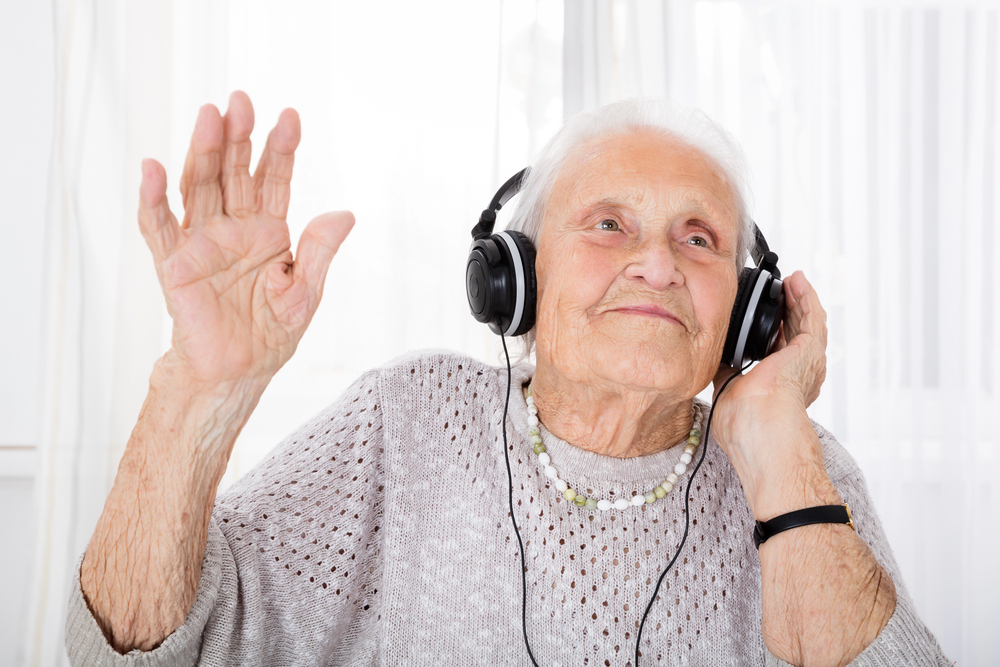
Using music to help memory gives more than just fun. It is not a drug, but it can help a person feel better and slow down cognitive decline. The main goal is to make life better for the person and their caregivers. Music can have a strong effect on the quality of life, too.
The good changes from music can show up in many parts of someone’s day. Music can lift moods, help calm you down, and get you moving. This could be just tapping your foot along with the rhythm.
Some of the key benefits include:
- Reduced Stress and Anxiety: Calming music can help to relax a person who feels upset or does not feel sure about things. It can make them feel better and help to lower stress.
- Enhanced Social Connection: Taking part in group music activities can help people talk with each other. This makes people feel less alone.
- Improved Cognitive Function: When a person sings songs that they know, it can help them to remember words and boost their short-term memory. This is good for their cognitive function.
- Emotional Expression: Music lets people show their feelings without needing to use words. This helps when it is hard for them to say how they feel.
Comparing Music Therapy with Art Therapy
Both music and art therapies do help people with dementia in their own ways. Music works by reaching memories tied to sound and helps with feelings. Art therapy is more about things you see or feel. It lets people show who they are in a hands-on way. Each one lets people use or grow their cognitive abilities and feel like they have a reason to do things.
You do not always have to pick one over the other. Instead, you can use them together in a good way. For example, someone can paint and at the same time listen to music they like. People may feel better when they mix both activities. The best way is for the person to think about their own past, what they like, and what they can do right now.
How to Determine If Music is Personally Meaningful for Someone with Dementia
Finding the right piece of music can help unlock its healing power. The best songs are the ones that mean a lot to the person. Try to think about the music they liked in their teen and early adult years. This time is when people often make the best memories with music. Family members can help a lot in choosing these songs.
Watch how they react. A quick look, a smile, tapping fingers, or humming with the song can all show that the music connects with them. Pay attention to any personality changes. A song that used to make them feel happy might make them feel sad now. The way people feel about music can change, so it is a process where you find out what works best.
Recognizing the Emotional Impact of Familiar Songs
People with dementia may not always talk about how they feel, so you need to look for signs that show their emotions when they listen to music. You can see feelings on their face, in how they move, or by the way they look around the room. A song they know well can make them feel happy or even think about good times from their past, but it can also make them feel sad. Watching how they react helps you make sure the music makes them feel good and brings comfort.
You do not have to use a musical instrument or have any special training to watch these effects happen. Just play a song from their past, and it can make a strong reaction. The real goal here is to connect with them, not to put on a show.
Look for these positive signs:
- Physical Reactions: People might smile or laugh. Some tap their feet or clap their hands.
- Verbalizations: Some start to sing or hum with the song, even if they do not get the words right.
- Increased Engagement: A person may look you in the eye or seem more awake. They might try to talk.
- Positive Mood Change: A person might feel less upset. You may notice they feel more calm and happy.
Connecting Loved Ones Through Music
Music is something that people can enjoy together. When someone in the family has dementia, the music helps everyone feel close, even when talking is hard. Taking part in music-based social activities gives families a good chance to feel less alone. It can help bring family members and their loved ones closer, even when things feel tough.
A good music program or even just singing along together can help people feel joy and feel like things are normal. It helps take the focus off what might be gone and let everyone think about what they can still enjoy together. The next parts will give you some ideas that you can use to bring music into your home and care routine.
Practical Ways for Families to Use Music at Home
Bringing music into your daily life is easy. You don’t have to make it hard or stress over it. The idea is to enjoy music and let it fit in with what you do every day. A memory program you use at home can be quite simple. Start by picking a piece of music that your loved one liked in their younger days. This can help everyone feel good and join in more with daily life.
Try to use music during different parts of the day. You can play soft songs while eating to help everyone feel calm. A happy and well-known tune in the morning can make care routines feel better. The most important thing is to keep the music the same and choose songs that suit the people there.
Here are a few easy ways to get started:
- Create Personalized Playlists: Pick songs from their favorite artists or the type of music they like best.
- Sing Together: Try and sing simple songs that many people know, like old folk tunes or holiday carols.
- Schedule a “Music Hour”: Save some time each day just to listen to music and talk about old memories.
- Use Music to Cue Activities: Play a special song when it’s time to go for a walk or to have a meal.
Simple DIY Music Activities for Dementia Care at Home
You do not have to be a music therapist to bring the good things about music into your home. You can use simple, do-it-yourself ideas with music that work well for people with dementia. The best thing to do is to have fun and make a happy place without stress. Try using a simple musical instrument, like a tambourine or maracas. This can help people join in and move around.
Another good thing to do is have a family sing-along. Try to pick songs that have simple words and a tune that is not hard to follow. It is ok if your loved one does not remember every word. The music and the beat can still feel good and bring joy. This is about being together, not about getting every note right. A sing-along like this can help take away some stress. It can also help you make happy memories with the people you care about.
How to Create a Music Playlist for Your Loved One
Making a playlist just for your loved one is a great way to use musical memory. A list of special songs can help calm them, start a chat, or just make them smile. It can also be a good thing for family members to do together.
Begin by talking with your family and friends. Ask them about the piece of music that your loved one liked over the years. Try to find out what music they listened to when they were young. Ask what songs played at their wedding. Talk about which holiday tunes were their favorites. Every piece of music helps tell their story.
Here’s how to build a great playlist:
- Focus on Their Youth: Pick music that was popular when they were between 15 and 25 years old.
- Include a Variety of Moods: Use both happy, lively songs and also some soft, relaxing tunes.
- Observe and Adjust: Watch how they feel when the songs play, and take out any music that upsets them.
- Keep It Manageable: A good playlist has about 15 to 20 songs to start with.
Maplewood Sauk Prairie Health and Rehabilitation Center’s Approach to Music & Memory
At Maplewood Sauk Prairie Health and Rehabilitation Center, we know music can help people feel better. We see every day how the sound of music can bring back good feelings and help people feel close to others, even when they have memory loss. We work hard to make a special plan for each person. We always try to respect their personal life story and the music they love most.
Our memory program brings music into the daily life of each person in special ways. We bring in music therapists and our own care team to help make playlists and activities that fit each resident. We talk and work closely with family members to find out which songs mean the most to them.
The goal is to make each resident’s quality of life better. We want to lower anxiety, help lift their mood, and bring back happy memories. This can happen when we play music either one-on-one with headphones or in a group for sing-alongs. Music is a big part of our way of caring for people with dementia.
Final Thoughts
The power of music in dementia care is strong. Music can help bring back memories, build emotional connections, and give comfort like few other therapies can. When families add music to daily life, it can raise the quality of life for their loved ones. They get to share happy moments and feel closer together. At Maplewood Sauk Prairie Health and Rehabilitation Center, they use music therapy in caring for people with dementia. They understand how important it is and work to find what matches each person best. This is done through making special playlists and enjoying music together. The goal is to help people feel better and feel close to each other. Bringing music into dementia care can make their journey feel better for everyone.
References:
https://www.alz.org/help-support/caregiving/daily-care/art-music
https://www.nia.nih.gov/health/alzheimers-and-dementia/what-dementia-symptoms-types-and-diagnosis
https://www.mayoclinic.org/diseases-conditions/dementia/symptoms-causes/syc-20352013
