


What is Speech Therapy and Who Can Benefit From It?
August 7, 2025
The Power of Music and Memory Therapy in Dementia Care
October 15, 2025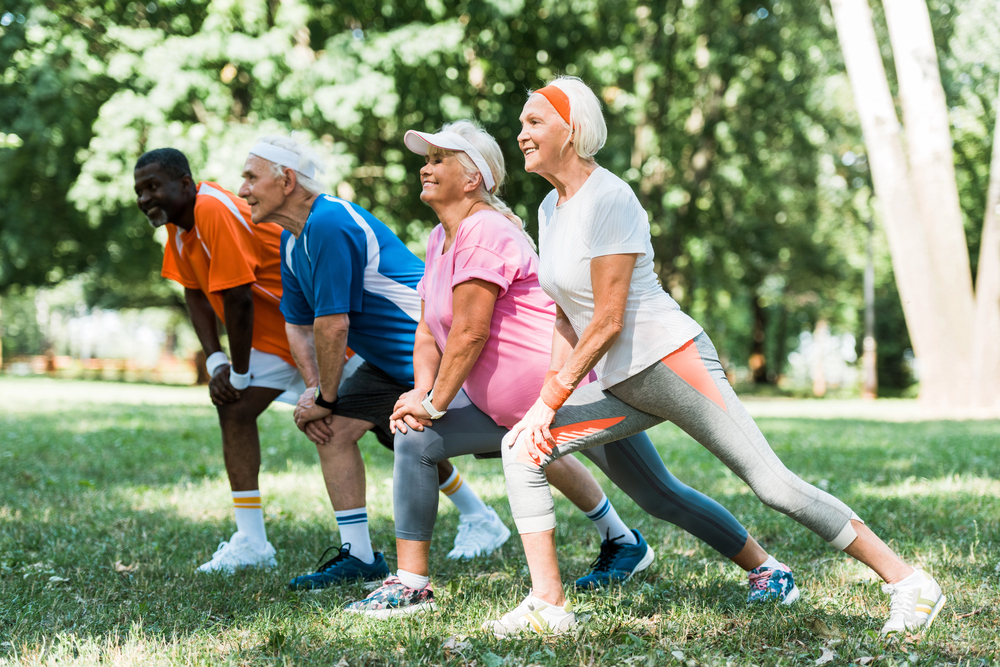
Do you ever think about the balance of power in your body as you get older? Staying steady is even more important as you age. Seniors often face challenges such as balance issues, pain, and poor posture. These can make living each day much harder. Many people do not talk about these issues as much as other health problems, but they have a big effect on life. The latest news indicates that small adjustments in aspects such as balance and posture can significantly improve the quality of life for seniors. Let’s look at why things like equilibrium matter and how they change the way you live.
Why Balance, Pain, and Posture Matter for Seniors
Being able to stay steady and upright, known as equilibrium, is a key part of good health for seniors. When the balance starts to fade, older people can fall more often. Falls can bring injuries that make it hard for them to move around and take care of themselves. Their mobility and freedom can be hurt a lot if this happens.
But it’s not just about having good balance. Long-lasting imbalance, aches, and the way someone stands or sits are all a part of the problem. These issues work together to cause even more trouble. They may keep people from moving as much as they should and can make some afraid to get up or move. It is important to see how these things are all linked if we want to help keep seniors well and active.
The Hidden Impact on Daily Activities
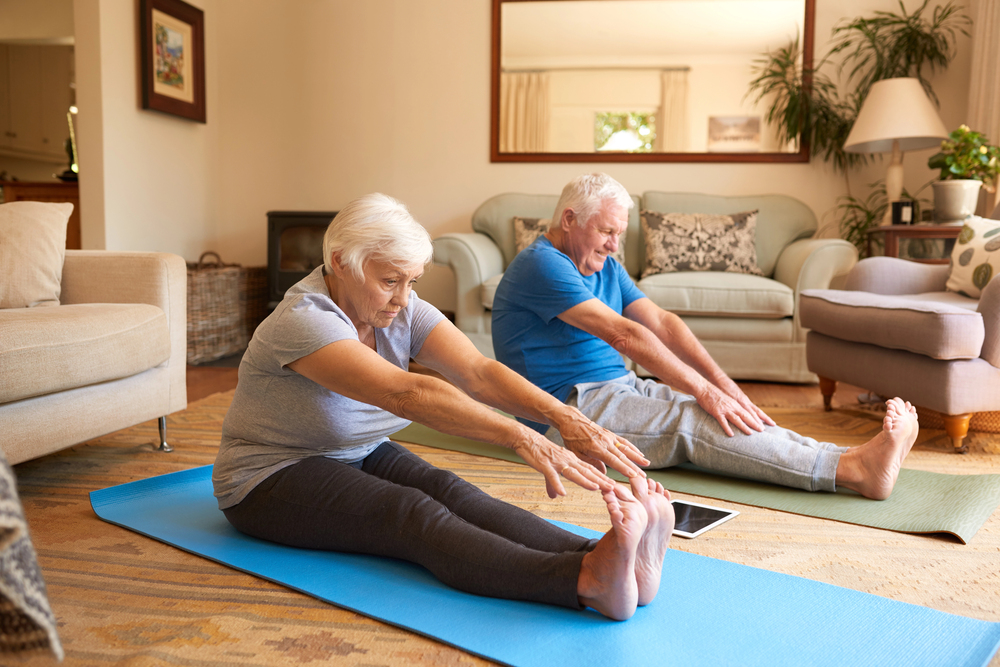
How often do we take simple things, like walking or standing, for granted? For older people, losing some mobility because of pain or problems with balance can make even the most normal tasks hard. When a senior feels unsure or unsteady, they may stop going to social events or doing the house chores. The worry of falling keeps them from joining in, which is not good for their health.
Think about what it would be like if each step you took felt like you were walking on a thin balance beam. Ongoing issues with balance and the way the body stays upright can hurt a person’s confidence. It may keep them stuck at home, and that often leads to even worse health over time.
Even basic things that people do every day, like cooking or climbing stairs, become tough problems. Seniors may have trouble keeping their balance as they reach into high cabinets, or worry about staying steady when walking on rough ground. Every problem they face shows just how much need there is to help in these areas before more and more of life slips out of reach.
How These Factors Work Together
Did you know that your balance, pain, and posture are all connected and can affect your equilibrium? When one part is not right, the other parts can be hurt, too. For example, bad posture can lead to uneven weight on your body. This will often cause imbalance and can make it harder to stay steady.
Pain, too, plays a role. If you have pain in your joints or muscles for a long time, you might change the way you move. This can give you worse posture and make your body less steady. These problems can then lead to each other, making things worse, like a chain reaction.
But it works the other way, too. If you stand or sit better, you can help bring your bones into the right order. This can lower pain and boost your mobility. When people feel more comfortable and confident in their movement, they also may keep moving and stay active. All these things together make a cycle. It can either help your health get better, or if it goes wrong, it can make your health worse.
Understanding Balance Issues in Older Adults
The balance of power in the body can change a lot when we get older. Many seniors have trouble with balance. This can make it hard for them to stay safe and keep active.
Balance apps give people new ways to check progress and spot problems with their mobility. When a person falls, it is not just a random accident. It can show deeper problems, like moving in an unsteady way, problems with vision, or issues inside the ear. Finding out why these things happen helps people get over imbalance. It gives them a better and steadier way to live.
Sure! Here’s a simplified version of that section, written at around an 8th-grade reading level:
Common Causes of Balance Problems
Many things can cause balance problems, especially as we get older. Our ears, eyes, and muscles may not work as well as they used to, which can make it harder to stay steady.
Here are some common reasons why people might have trouble with balance:
| Cause | How It Affects Balance |
| Changes in the inner ear | Damage to the part of the ear that helps with balance can cause dizziness or spinning (vertigo). |
| Vision problems | Eye issues like cataracts can make it hard to judge distance, which can lead to trips and falls. |
| Side effects from medicine | Some drugs, like sleep aids or antidepressants, can make you feel dizzy or slow to react. |
| Weak or stiff muscles | If your muscles aren’t strong or flexible, it’s harder to keep your balance or catch yourself if you stumble. |
| Nervous system diseases | Conditions like Parkinson’s disease can affect movement and balance. |
Balance problems can be mild or serious. That’s why it’s important to notice the signs early and take steps to stay safe and steady.
Signs to Watch Out For
Do you know what signs show that there is a balance problem? Sometimes small signs hide bigger problems. Here are signs that tell you there may be poor mobility you need to watch for:
- Having a hard time standing without some help or support.
- Getting dizzy often when turning or standing up.
- Trouble walking without shuffling your feet or using braces.
- Leaning too much on walls or furniture to keep your balance.
- Falling down more than one time a year.
Older people often do not pay attention when they avoid daily things that they used to do easily. There are now apps, like balance trackers, that can help you spot patterns you may not see yourself. Acting early can stop bigger balance issues that might cause injury or make someone feel alone.
Pain—The Silent Barrier to Senior Wellness
Pain is often there in the background, and it is clear that it affects balance and equilibrium. Ongoing pain takes away from the body’s strength to stay active. This can make your posture worse and can stop you from moving well.
For seniors, meditation works well to help manage pain and to get their focus back. When pain makes it hard to move, it also makes it difficult to maintain stability. Taking the time to handle pain is needed. This can bring some relief, make life better, and also help with your physical health.
Types of Pain Seniors Often Experience
Pain in seniors can show up in many ways. Knowing what type you have can help you find the right way to feel better. Here is where the pain can come up most often:
- Joint pain: Osteoarthritis can bring pain in the hands, knees, and hips for a long time.
- Neuropathy: Tingling or burning feelings can be very hard to deal with in the hands or feet.
- Muscle pain: Stiff and sore muscles can make it hard to move after a workout or injury.
- Back pain: This is common because of sitting a lot and not sitting in the right way.
- Headaches: These can be linked to eye strain or muscle tension.
The latest news on senior health says that if you work on pain early, it can help you stand and move better. This is a big and needed step for many people.
How Pain Affects Movement and Mood
Let me ask you this—do you ever change how you move because you feel pain? Many seniors face this every day. Ongoing pain can get in the way of their reflexes. This can make moving around feel less difficult and smoother.
A loss in mobility from pain is not only about legs or walking. It also affects how someone feels inside. It can cause people to feel more stressed and less independent. When people can’t do as much, they might spend less time with others. This can make their mood drop.
There are ways to tackle the problem before it gets worse. Movement therapies can help. They can make the body more flexible and might help reduce pain in the long run. boosters their mobility and also help them feel better about themselves.
Posture’s Role in Senior Health
Many seniors do not always think about their posture, but it is important for good health. If you have poor alignment, it can cause an imbalance in the body. This also makes your muscles hurt and, over time, you may not feel as steady.
Good posture is about more than just staying upright. It helps with equilibrium, makes it easier to breathe, and keeps your joints working well for a long time. When older people learn to stand tall again, they get their balance of power back. This helps them feel more sure of themselves, gives them more energy, and lets them do more in their daily life.
How Poor Posture Develops
How does something simple like posture get messed up? Over time, things like slouching, weak muscles, or sitting too much add up and can throw your body out of balance.
Bad posture puts stress on your back and causes an imbalance in the body. If you do not try to fix it, you can start to lose your flexibility, and it’s easy to become even more inactive. This can speed up problems and make things worse over the years.
But posture does not have to stay bad forever. When you see how these problems start, you have ways to turn things around. If you work on sitting or standing better, you open up new ways to move and increase your mobility.
Benefits of Good Posture for Daily Life
Standing the right way can give many good things to seniors. When you have a strong posture, it helps take stress off the muscles and be better with mobility. Here is how life can get better when you stand up straight:
- Less pain in the long run as your muscles get to relax.
- Better balance because the bones keep you stronger.
- Breathing is easier, so you get more oxygen.
- Seniors feel more steady and can often walk without needing much help.
- Feeling better and more confident as good posture shows in your body language.
When you put all these things together, it helps seniors have a healthier and happier life.
Worried about balance issues for yourself or a Senior loved one?
At Maplewood Sauk Prairie, our caring team offers therapy and support to help improve strength, coordination, and confidence. Contact us today to learn how we can help you stay on your feet and live safely.
Final Thoughts
In the end, knowing how balance, pain, and posture work together is very important for better health in seniors. When you see how these things can change daily life, you can start to take steps that help. Small changes in posture, paying attention to pain, and adding balance exercises can help a lot. Try to keep these things in mind every day. It will not only help your body, but can also make you feel better. If you or someone close to you needs help with this, reach out for support.
References:
https://www.health.harvard.edu/topics/balance
https://www.balancepro.org
https://www.merriam-webster.com/dictionary/balance
